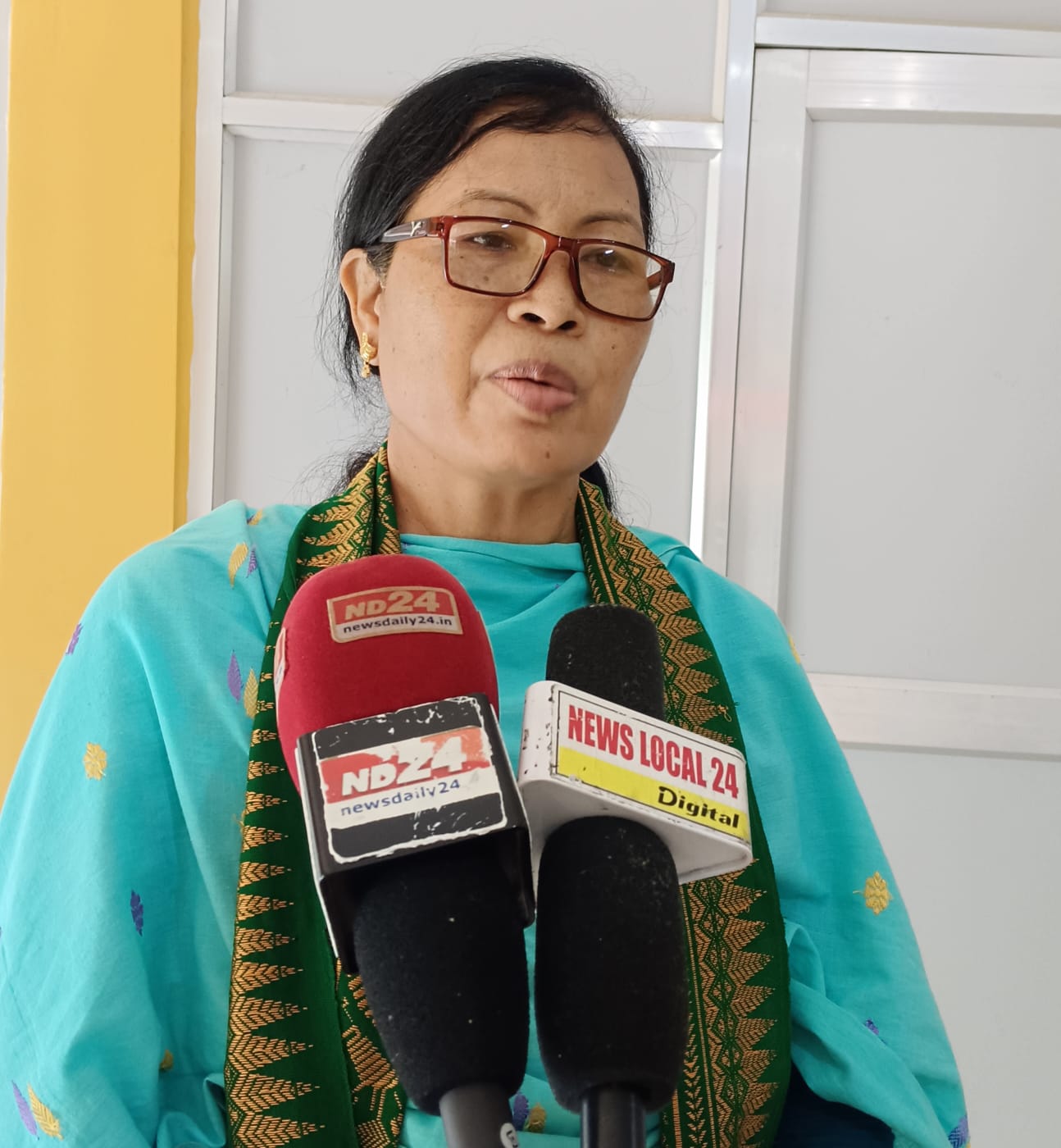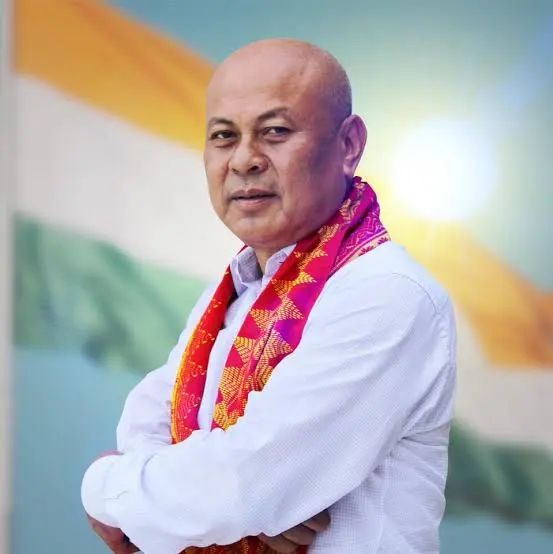
Message from the Chief
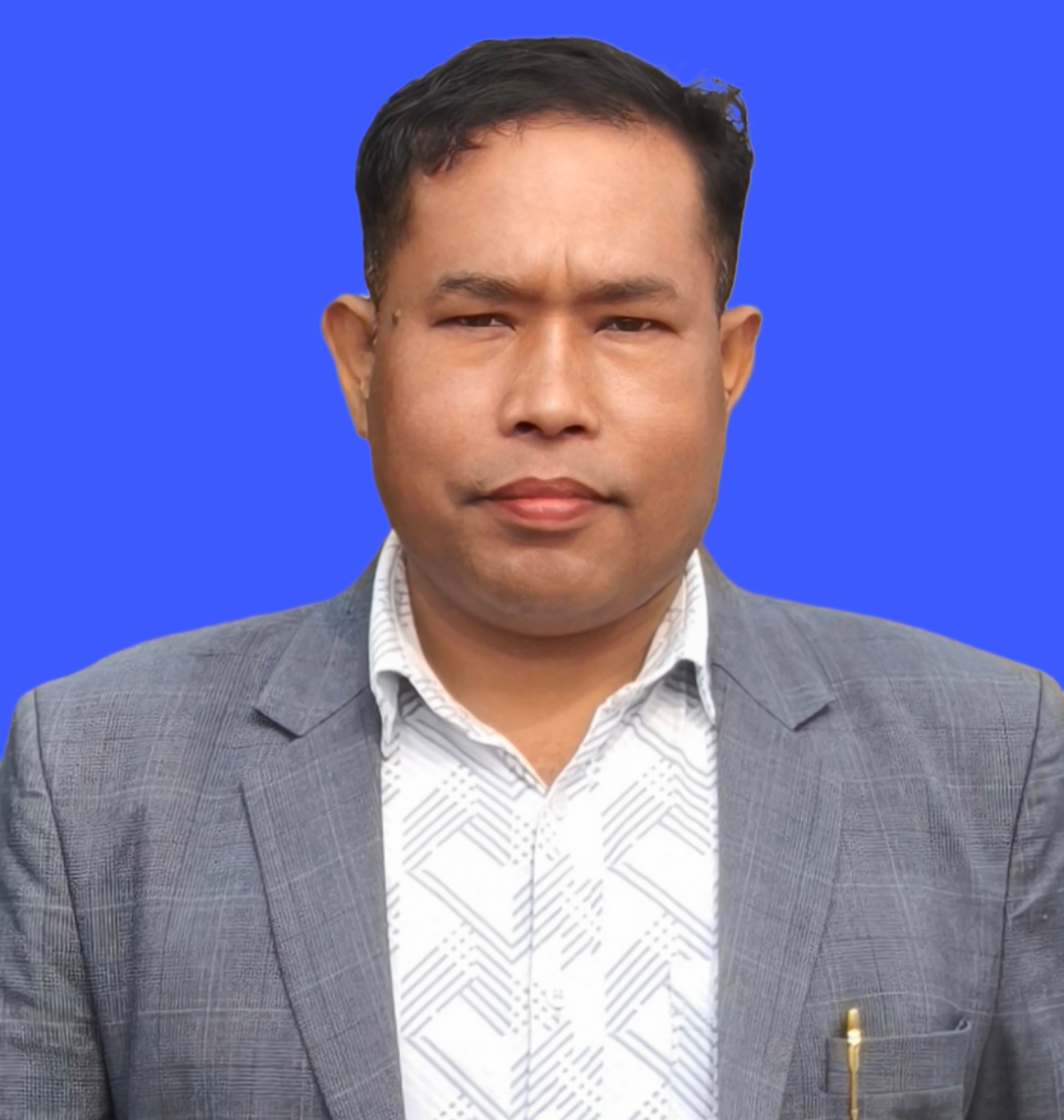
Hagrama Mohilary
Chief, Bodoland Territorial Council


Vision, commitment and guidance towards strengthening sericulture and sustainable rural development in the Bodoland Territorial Region.
Hagrama Mohilary
Chief, Bodoland Territorial Council
Karmeshwar Ray
Executive Member (EC), Bodoland Territorial Council
Smt. Bhanulata Mochahari
Director, BTC Sericulture
Director
BTC SericultureIt gives me great pleasure to welcome you to the official platform of BTC Sericulture.
Sericulture is deeply connected with the rural economy and cultural heritage of the Bodoland Territorial Region. It provides meaningful livelihood opportunities to farming communities while offering immense potential for entrepreneurship, employment generation, and sustainable economic growth.
As the Department continues its efforts to strengthen the sericulture sector, our focus remains on empowering farmers and rearers through modern technologies, scientific practices, quality inputs, skill development, improved infrastructure, and effective market linkages. We are committed to ensuring that the benefits of sericulture reach every section of our communities.
At the same time, we must embrace innovation and modern approaches to make our sericulture sector more productive, competitive, and sustainable. By integrating traditional knowledge with research, technology, and value addition, we can create new opportunities for our youth, women, farmers, and entrepreneurs.
I look forward to the continued cooperation of all stakeholders in building a vibrant and self-reliant sericulture ecosystem in the Bodoland Territorial Region.
Let us preserve our rich silk traditions, embrace innovation, and weave a prosperous future together.
Executive Member (EC)
Bodoland Territorial CouncilIt is my privilege to welcome you to the official platform of BTC Sericulture and to share our vision for strengthening the sericulture sector across the Bodoland Territorial Region.
Sericulture is not merely an agricultural activity; it is a source of livelihood, empowerment, and sustainable rural development. The rich tradition of silk production in our region, combined with modern scientific practices and technology, offers tremendous opportunities for our farmers, rearers, entrepreneurs, and young people.
The Department is committed to supporting the sericulture community through improved technologies, quality planting material, capacity building, modern rearing practices, better infrastructure, and stronger market linkages. Our focus is to enhance productivity and quality while ensuring that the benefits of the sector reach the grassroots.
We believe that the future of sericulture lies in combining our traditional knowledge with innovation, research, digital technologies, and value addition. By working together with farmers, Self-Help Groups, entrepreneurs, technical experts, and other stakeholders, we can build a resilient and prosperous sericulture ecosystem in the BTR.
I invite everyone to join us in this endeavour and contribute towards making sericulture a stronger pillar of rural economic development and livelihood generation in Bodoland.
Together, let us nurture the tradition of silk and weave it into a brighter, sustainable future for our people.
Chief
Bodoland Territorial CouncilIt gives me immense pleasure to extend my warm greetings to the people of the Bodoland Territorial Region and all those associated with the development of sericulture in our region.
Sericulture has always held significant potential for the economic and social development of rural communities in the Bodoland Territorial Region. With its rich natural resources, favourable agro-climatic conditions, and traditional knowledge, our region has a strong foundation for becoming a leading hub for silk production and allied activities.
The BTC is committed to strengthening the sericulture sector by promoting modern technologies, supporting our farmers and rearers, improving productivity and quality, and creating sustainable livelihood opportunities, particularly for rural youth and women. We envision a sericulture ecosystem that connects traditional expertise with innovation, entrepreneurship, value addition, and modern markets.
Through coordinated efforts among farmers, self-help groups, entrepreneurs, technical institutions, and government agencies, we can transform sericulture into a powerful engine of rural prosperity and employment.
I encourage all stakeholders to actively participate in this journey and work together towards building a self-reliant, sustainable, and economically vibrant Bodoland Territorial Region.
Let us weave a stronger future for Bodoland through the strength of our people, our traditions, and our silk.
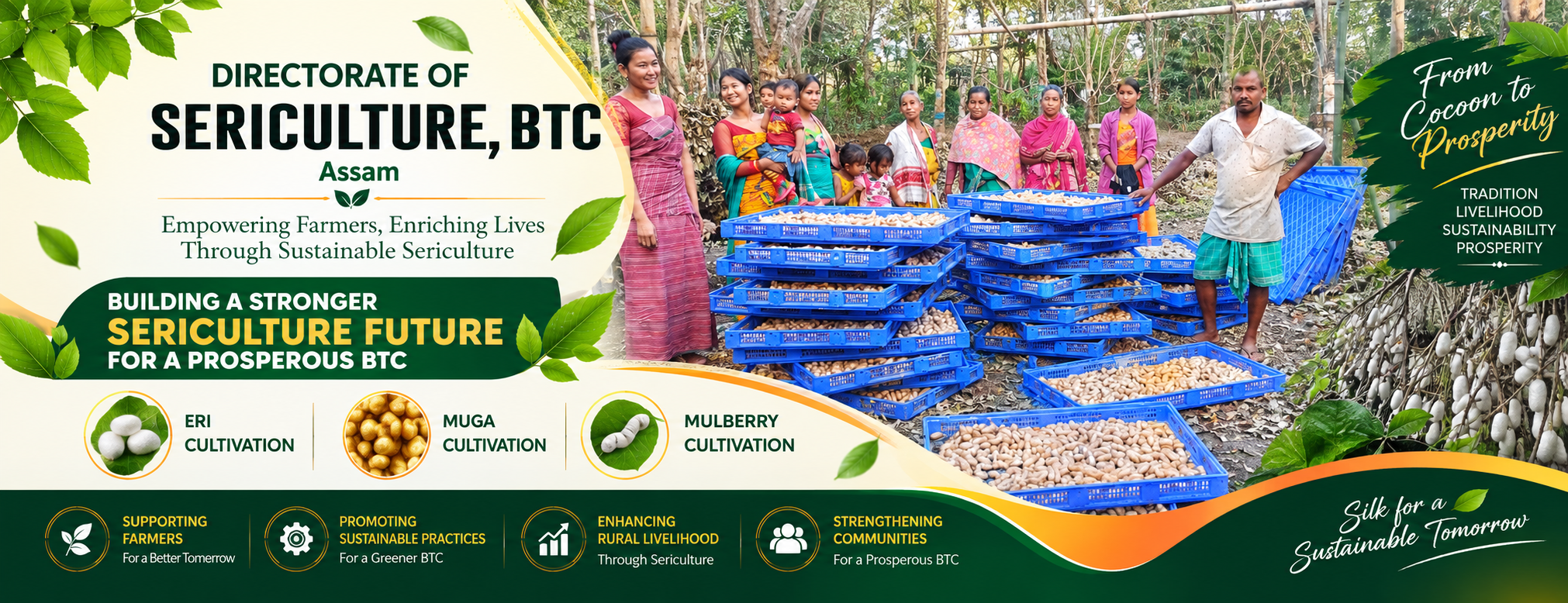
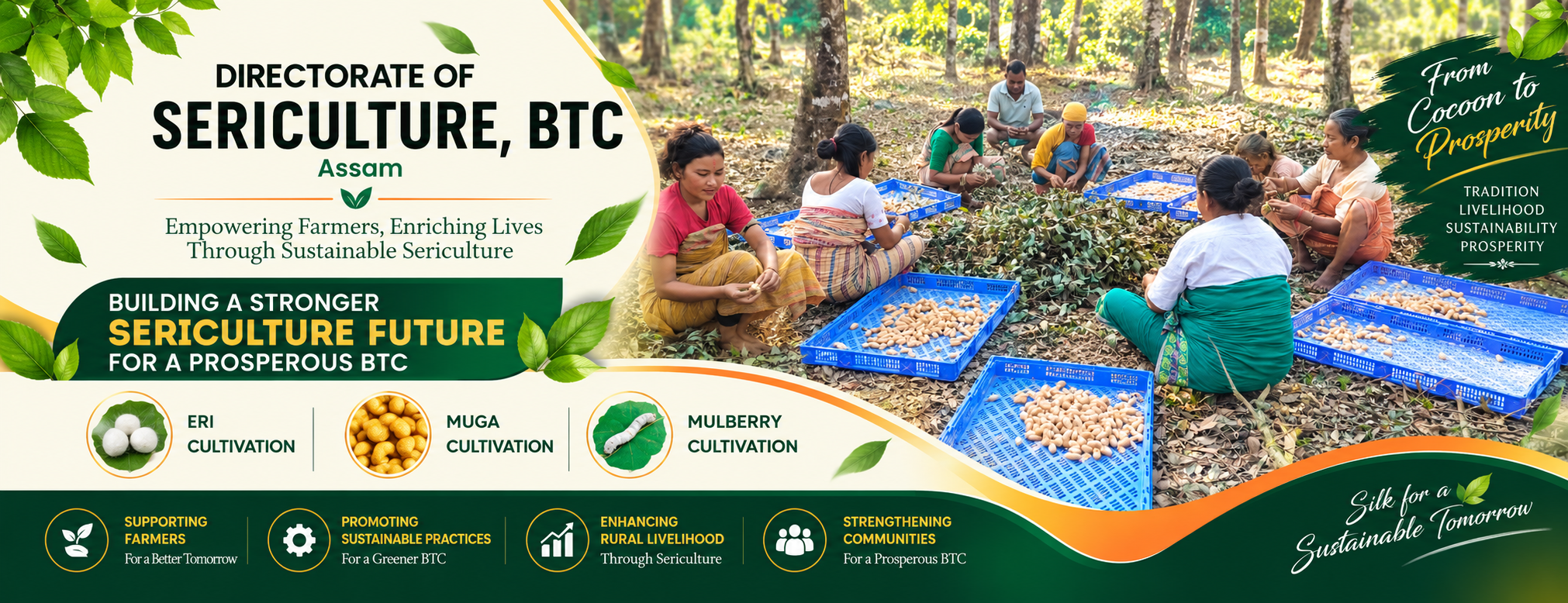
From traditional silk rearing to a modern and sustainable sericulture ecosystem in the Bodoland Territorial Region.
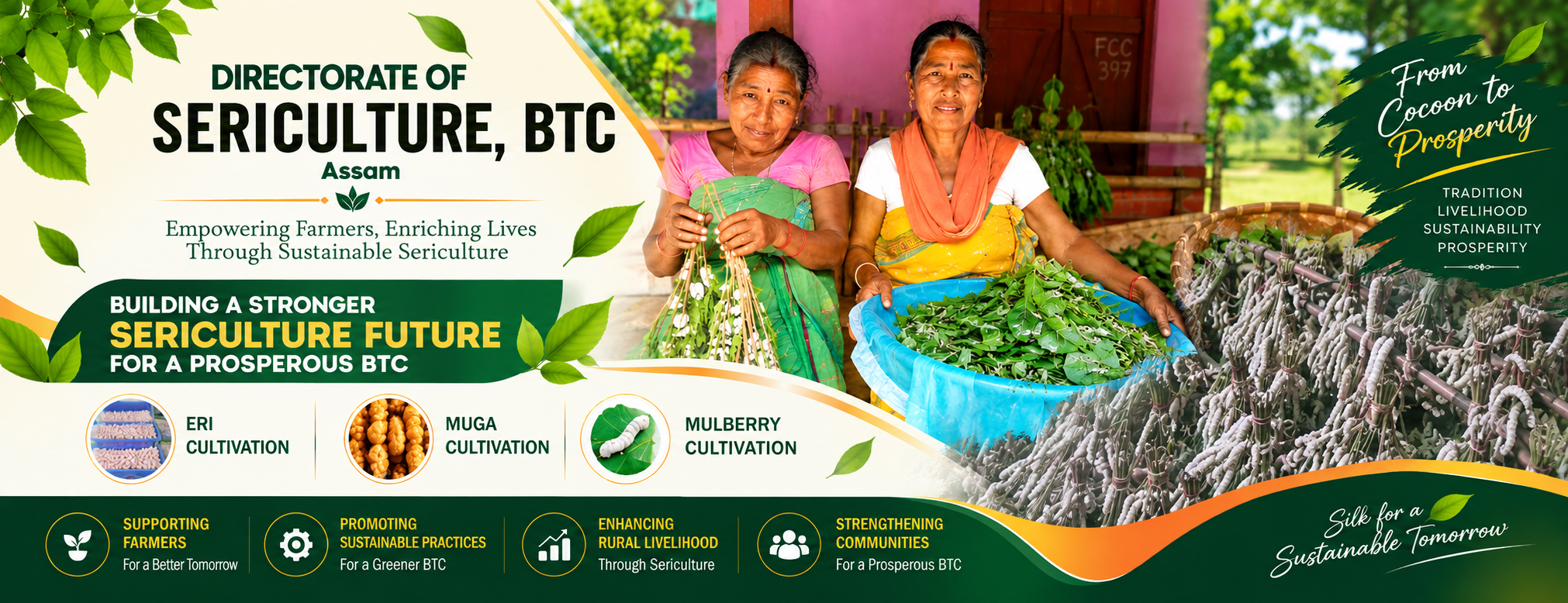
The picturesque Bodoland Territorial Council area is endowed with rich flora and fauna suitable for the production of the three varieties of natural silks viz. Eri, Muga and Mulberry. Eri culture is a part of the cultural ethos and tradition of the Bodo community since times immemorial.
Raw silk production has grown from approximately 100 MT before the creation of BTC to 1526.40 MT annually.
Just after the establishment of the Bodoland Territorial Council on 10 February, 2003, the Department of Sericulture, BTC in association with the Central Silk Board prepared a Perspective Plan and launched Project Thaokhri.
Sericulture is practiced in 1,658 villages out of a total of 3,082 villages in BTC and 44,250 sericulture farmers and families are directly involved in sericulture activities.
The Department of Sericulture, BTC officially launched the Bodoland Silk Logo during 2017 to promote the quality, purity and identity of natural silk produced in Bodoland in national and international markets.
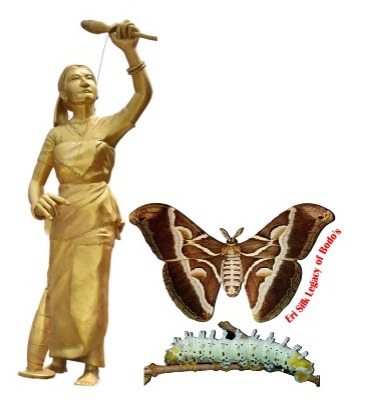
Eri Silk represents an enduring legacy of the Bodo and other indigenous communities of BTC. Since May 2020, 1st May has been observed as Eri Day across departmental institutions and sericulture communities.
“Bodoland Eri Silk” is registered under the Silk Mark Organization of India, strengthening the identity, authenticity and recognition of natural Bodoland silk.
Registered to promote Bodo traditional weavers of BTC and encourage the use of eco-friendly natural silk materials for fashion and value-added products.
The picturesque of Bodoland Territorial Council area is endowed with rich flora and fauna suitable for the production of the three varieties of natural silks viz. Eri, Muga and Mulberry. Eri culture is a part of the cultural, ethos and tradition of the Bodo community since times immemorial and some other indigenous communities also rearing Eri Silkworm since longtime.
Meanwhile Muga and Mulberry sericulture has transformed from a subsistence practice to a modern scientific enterprise in the Bodoland Territorial Council (BTC) by growing five to six crops in a year. BTC is the largest producer of Eri raw silk in the North East India next to Assam.
Silkworm rearing and handloom weaving is an age-old tradition practice among the rural populace in BTC ushering them towards socio-economic upliftment.
Before the creation of BTC, Sericulture was considered a poor man's occupation and production of raw silk was hardly 100 MT. However, after the creation of BTC as per the Memorandum of Settlement (MoS) of 10th February, 2003, sericulture was recognized as one of the most promising and sustainable ventures for economic development of the rural folk.
Thereby, a Department of Sericulture was formed exclusively to look after the activities of the silk sector in BTC.
Owing to proper vision and immaculate planning by the technocrats and the dedication of the field functionaries, the silk industry in BTC took a quantum leap in raw silk production from 100 MT to 1526.40 MT per annum.
Over the years, the Department of Sericulture, BTC has become a Resource Centre for the Sericulture sector and has emerged as a frontrunner and benchmark for Sericulture development in the entire North East India.
The Department of Sericulture, BTC has a vision to extend its sericulture activities beyond the textiles sector into other emerging fields in the near future.
This book is a humble effort to showcase the unique scope of sericulture in BTC.
Just after the establishment of the Bodoland Territorial Council on 10 February, 2003, the Department of Sericulture, BTC in association with Central Silk Board, Ministry of Textiles, Government of India prepared a “Perspective Plan” for a period of 10 years to address all the gaps and constraints.
An Integrated Sericulture Development Project entitled “Project Thaokhri” was launched with financial assistance from Central Silk Board, Ministry of Textiles, Government of India during the year 2004–2005 which ushered the Golden Era of Silk Industry in BTC.
Today, BTC enjoys the unique distinction of producing three varieties of silks viz. Eri, Muga and Mulberry.
Eri, Muga and Mulberry culture was introduced in a systematic way as employment and income generation opportunities amongst the rural folks of BTC from the IX Five Year Plan onwards.
Sericulture is practiced in 1658 villages out of a total of 3082 villages in BTC and 44250 sericulture farmers and families are directly involved in Sericulture activities.
After the creation of BTC, the Ministry of Textiles, Government of India, has extended continuous financial support and technical guidance under Catalytic Development Programme till the end of XII Five Year Plan and was recognized as one of the most promising sustainable ventures for economic development of rural women folk.
Just after the conclusion of XII Five Year Plan, based on the potentialities, the Central Silk Board and Ministry of Textiles, Government of India sanctioned seven Projects under the North Eastern Region Textiles Promotion Scheme (NERTPS).
This included establishment of Eri Spun Silk Mill in BTC during the year 2014–15 to 2019–20 to streamline the entire Sericulture sector in BTC.
Moreover, five different projects have been implemented for development of Eri & Muga Silk Industry under Silk Samagra-2 Schemes during the year 2021–22 to 2025–26.
The incessant assistance extended by Central Silk Board and Ministry of Textiles, Government of India made a remarkable impact for overall growth of Silk Industry in BTC areas.
Production of Raw silk made a quantum jump from 100 MT in 2003–04 to 1526.40 MT during 2025–26.
The Department of Sericulture, BTC has officially launched the Bodoland Silk Logo during 2017 with an objective for brand promotion of Bodoland Silk both in National and International market.
The initiative promotes the quality and purity of natural silk produced in Bodoland and is one of the significant milestones achieved by the Department.
The Eri Silk is an enduring legacy of Bodo and other indigenous peoples of BTC. Beyond its use in textiles, Eri is deeply intertwined with the culture and traditions of the societies of this area and holds a significant place in their socio-economic life.
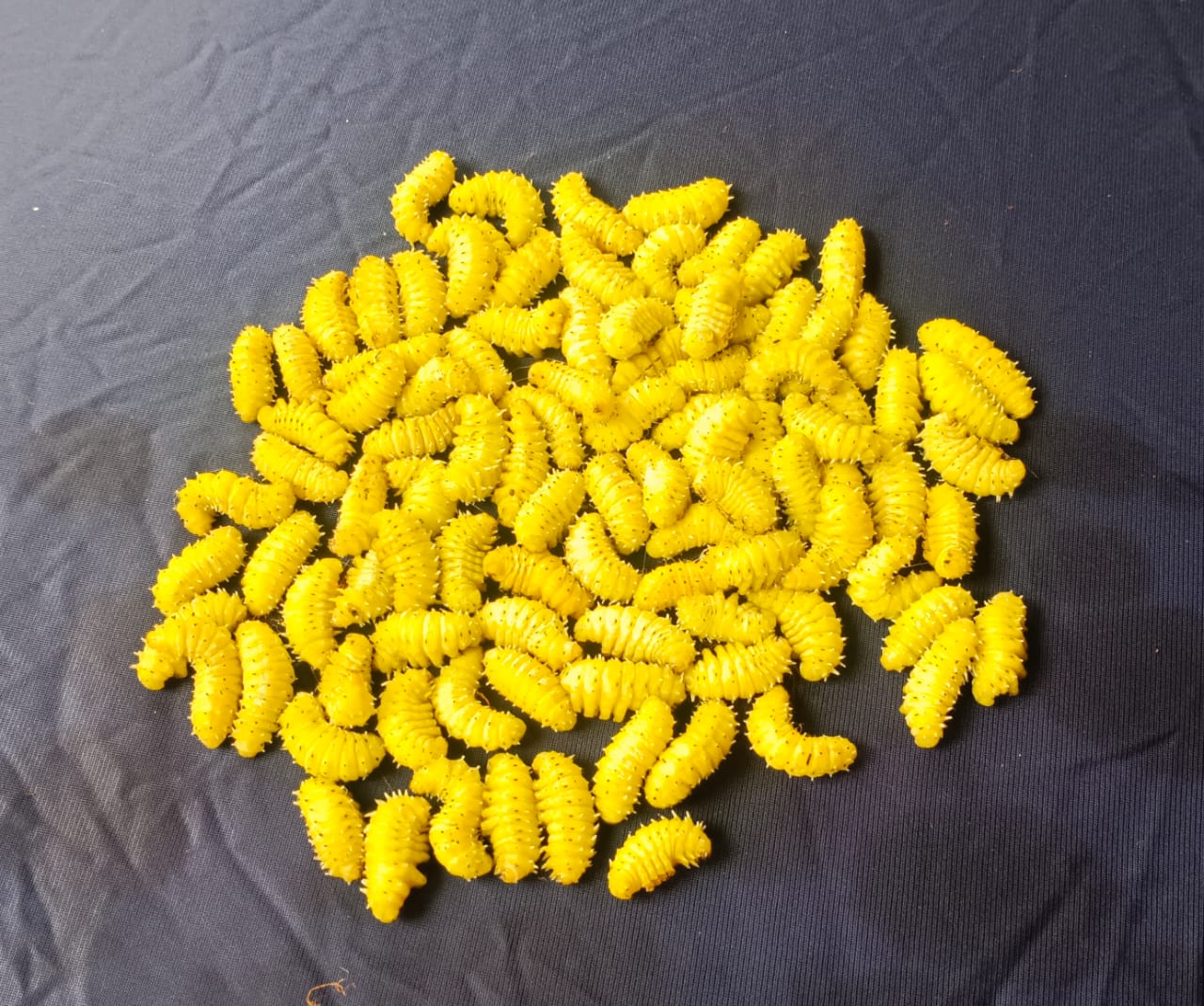
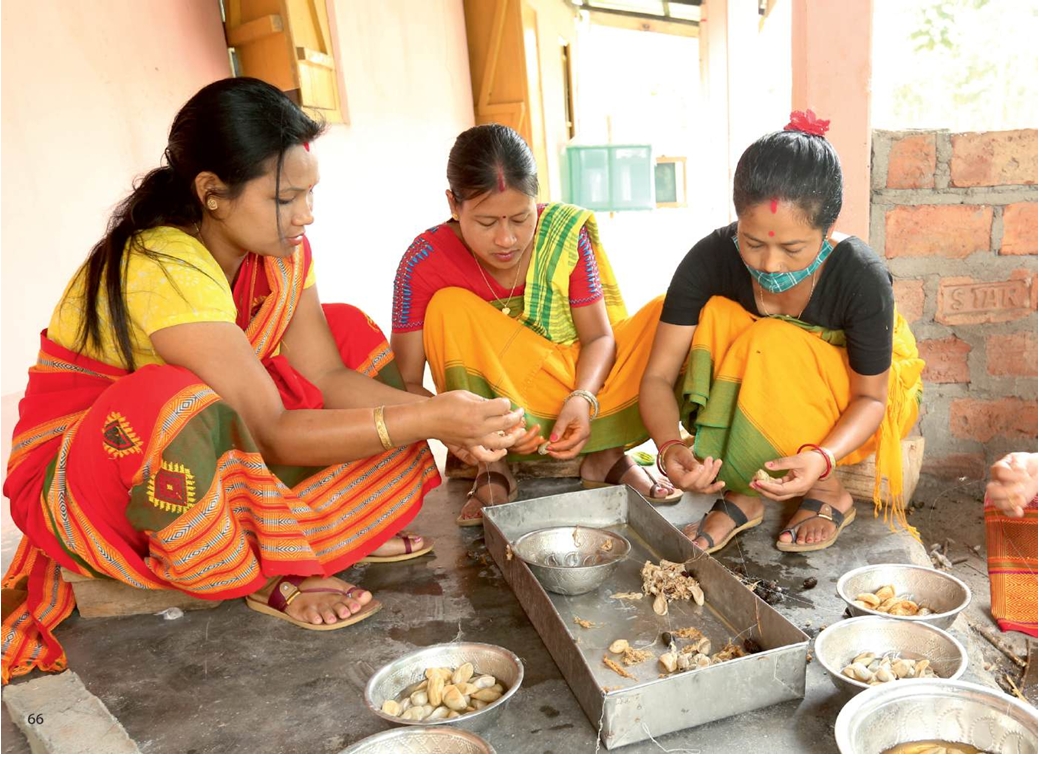
Eri culture is valued not only for silk but also for the protein-rich pupae, which are consumed as a traditional delicacy.
In recognition of this rich heritage, the Department of Sericulture, BTC decided to observe 1st May as Eri Day every year.
This date is especially meaningful as it coincides with International Labour Day and the Death Anniversary of Bodofa Upendra Nath Brahma.
Eri Day holds immense significance as it reflects the commitment to uplifting rural communities through sustainable and eco-friendly practices.
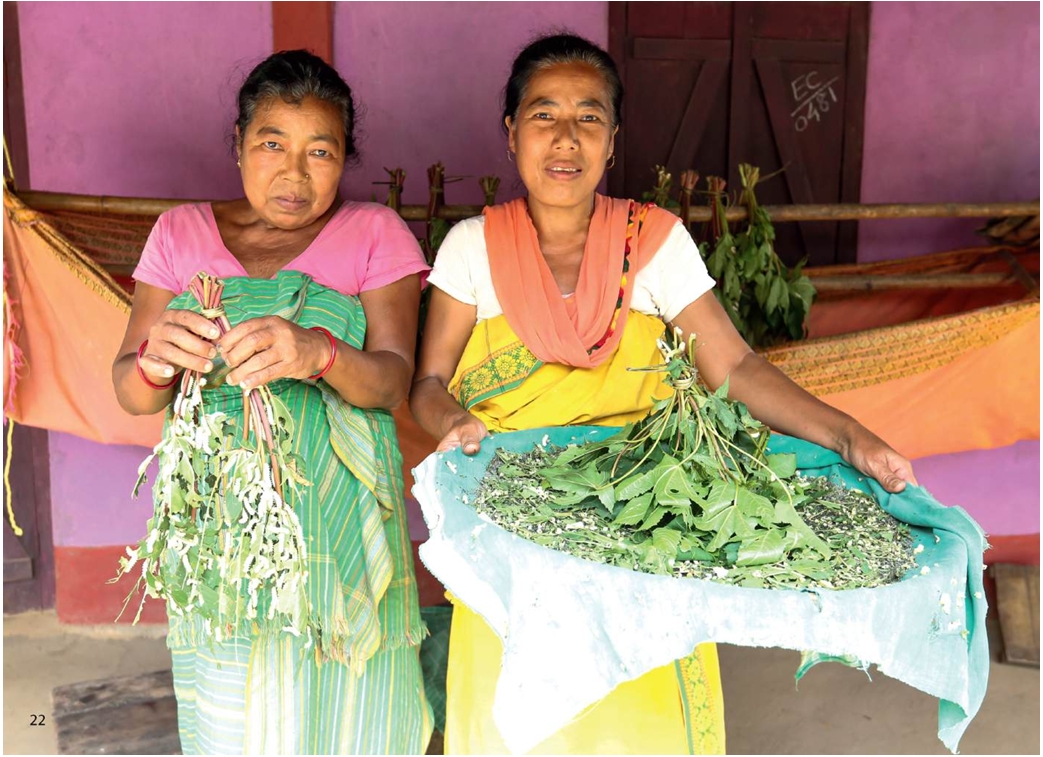
Eri silk, also known as Endi, is famously referred to as the “fabric of peace” due to its non-violent method of production. The rearing of Eri silkworms, which thrive on castor and other host plants, has long been integrated into the rural economy, especially empowering women and stakeholder farmers.
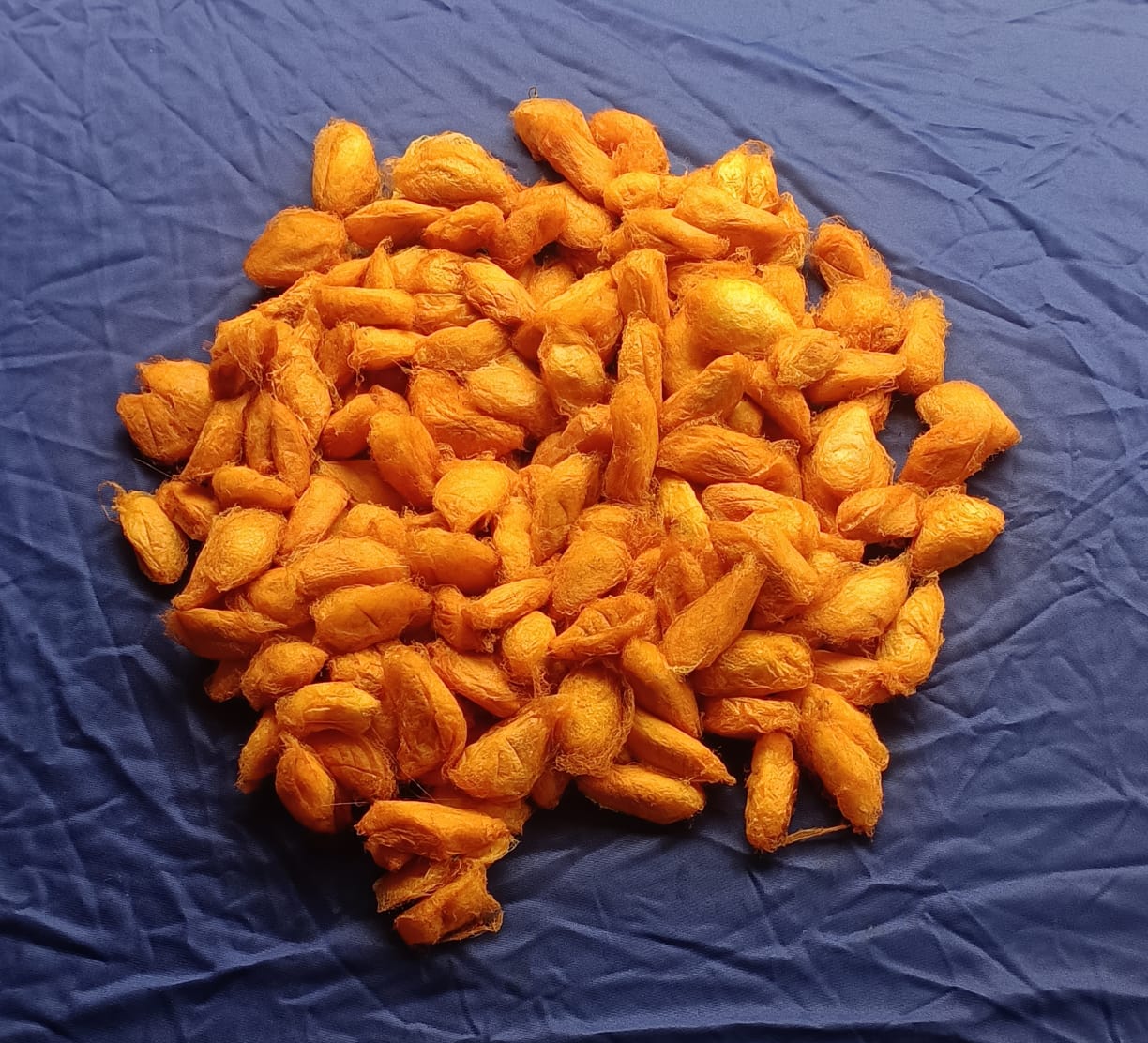
The red variety of Eri cocoons, which are distinctive to the Kokrajhar and Chirang districts, are unique to BTC.
These cocoons are known for their natural color, texture, and high-quality yield, making them a prized component of the Eri silk tradition in these regions.
The promotion of such localized varieties through Eri Day plays a vital role in conserving biodiversity and supporting indigenous knowledge systems.
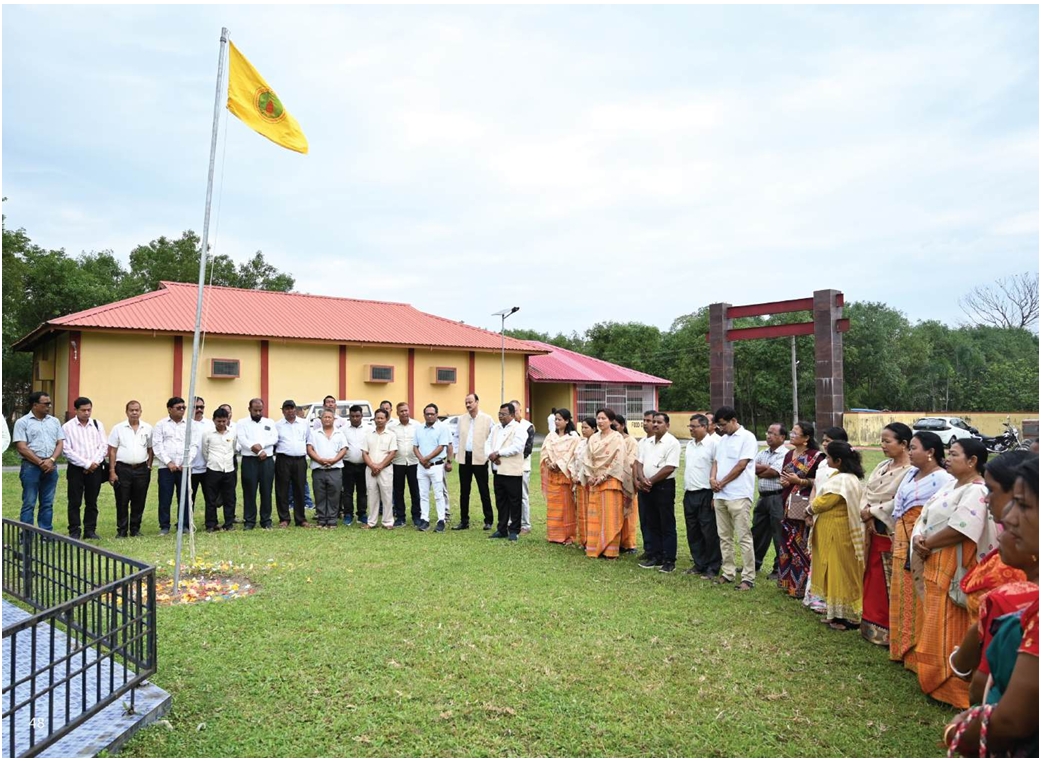
The Directorate of Sericulture, BTC has been observing 1st May as Eri Day since May 2020 by hoisting the Eri Day Flag in the morning at District, Sub-Division Offices and other institutions under the Department.
In the evening, “Diyas” are lit at their respective venues and by Seri-Farmers at their residences to mark and honour the auspicious occasion of “ERI DAY”.
Increase Eri & Muga Silk Production
Continuously improve the production, quality, and
productivity of Eri and Muga silk.
Transform Tradition into Enterprise
Modernize traditional sericulture practices and create
sustainable commercial opportunities for farmers and artisans.
Build an Eri Silk Commercial Hub
Develop BTC as a prominent production, processing,
and marketing hub for Eri silk.
Promote Eri Silk Excellence
Strengthen quality Eri silk production and establish
BTC as a leading hub for premium Eri silk.
Empower Sericulture Farmers
Support farmers and artisans through better opportunities,
skills, technology, and sustainable livelihoods.
Preserve Tradition, Build the Future
Protect the rich heritage of Eri silk while promoting
innovation, sustainability, and wider market reach.
Awareness Programme.
Skill Training on Silkworm food plant nursery & plantation development.
Skill Training on Silkworm rearing, Grainage activity (Seed production).
Skill Training on Eri Spinning, Muga & Mulberry reeling for production of quality yarn.
Eri pupae processing activities.
Directorate of Sericulture Bodoland Territory Council provides modern infrastructure and technical support for sustainable silk production and rural livelihood development.
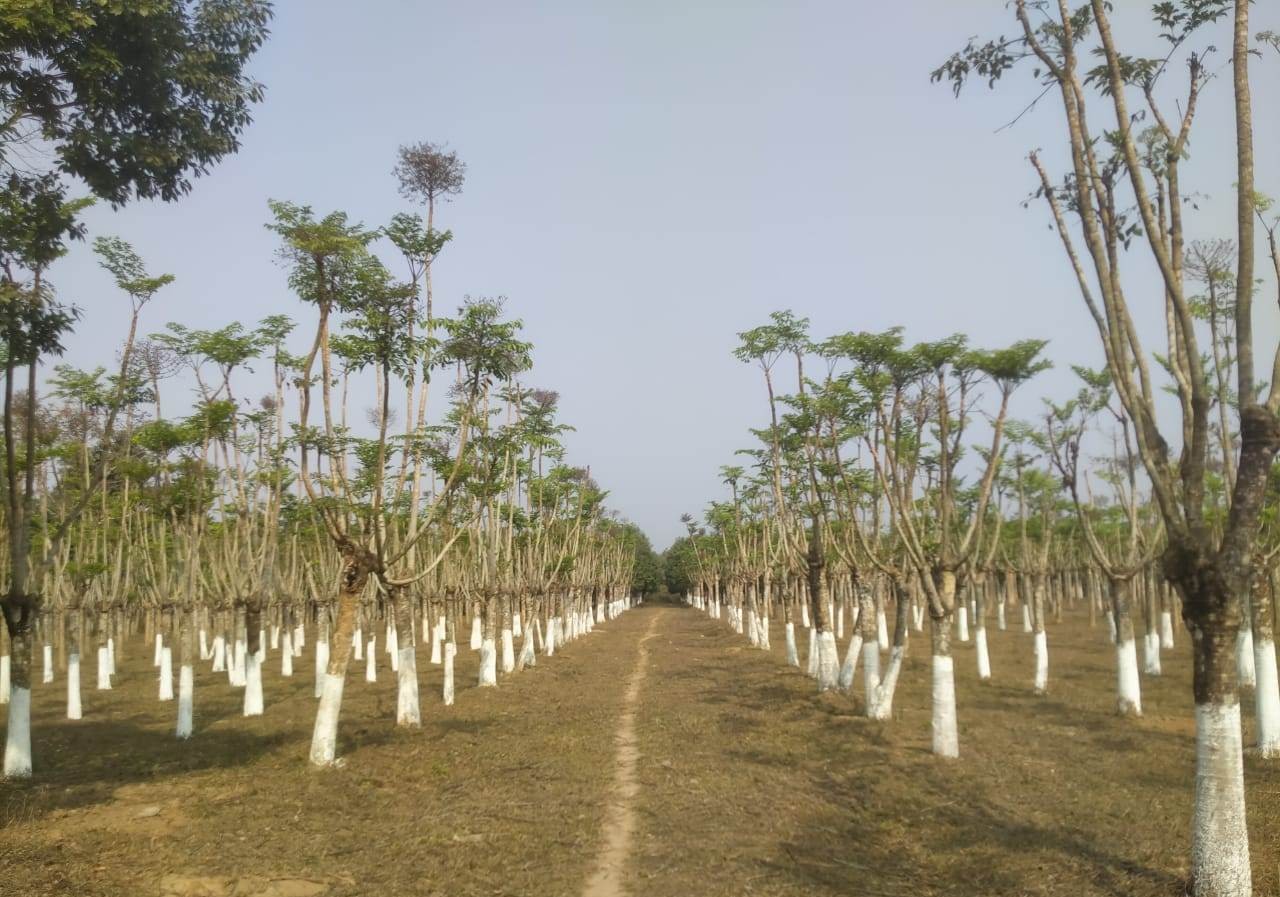
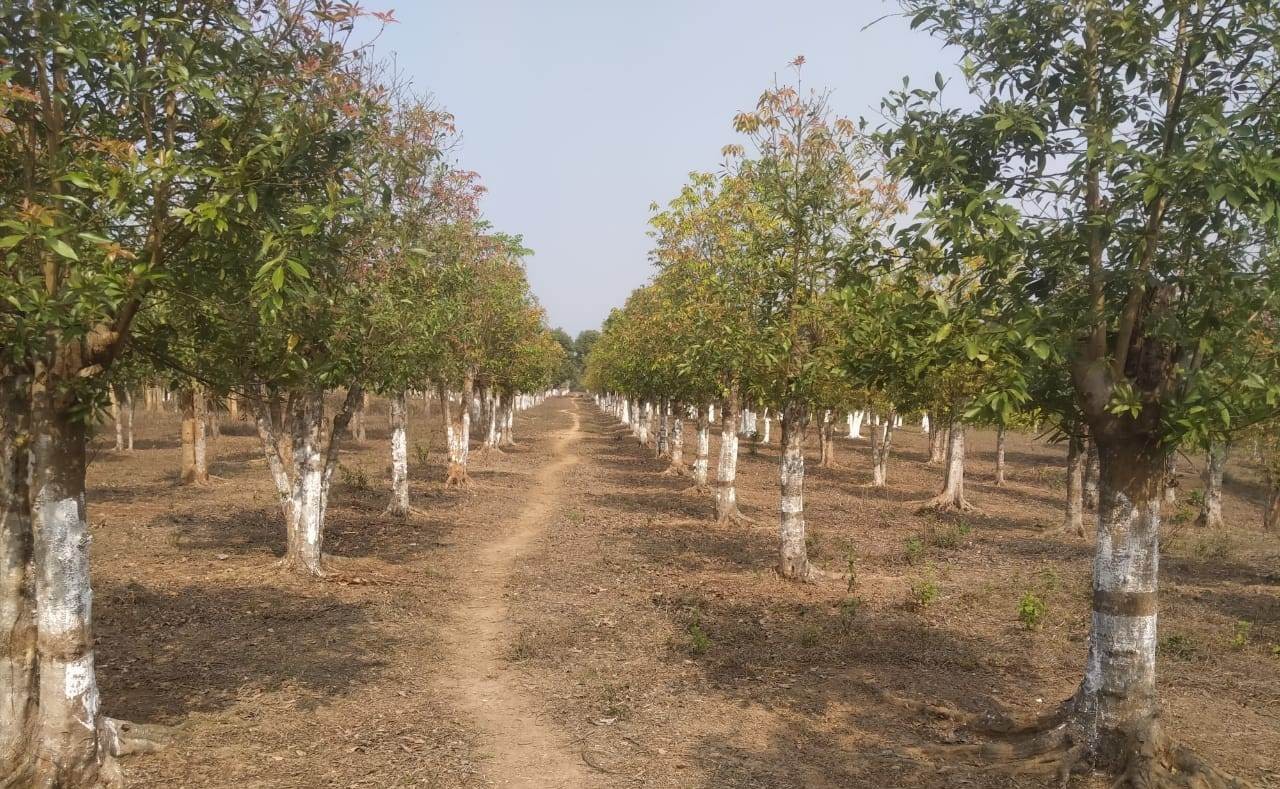
The Department maintains seed farms across BTC for the production of quality silkworm seeds, Kesseru seedlings for Eri, and Som seedlings for Muga to support farmers and strengthen sustainable sericulture development.
Government Silk Farms function as demonstration, training and production centres where farmers learn improved rearing techniques and modern silk farming practices.
Grainage Centres produce disease-free silkworm eggs and distribute certified seed to farmers, ensuring quality cocoon production throughout BTC.
The Department of Sericulture, BTC has been established a Silk Printing and Processing Unit at Bodoland Silk Park, Adabari Kokrajhar for printing all kinds of Silk fabrics value addition and to meet the market demands.
Technical Service Centres provide field-level guidance, farmer training, pest management, Eri, Muga & Mulberry cultivation assistance and technical support across BTC.
The Department of Sericulture, BTC has established Eri Silk Socks Knitting Unit for product diversification and design development. This opens up opportunities for a range of knitting products and value addition in Eri silk, a long standing demand of the fashion world.
Training Institutes conduct regular programmes on silkworm rearing, mulberry cultivation, weaving, entrepreneurship and modern sericulture technologies for farmers, youth and departmental staff.
Major infrastructure and development initiatives undertaken by the Department to strengthen the sericulture sector across BTC.
To prevent the exploitation of the farmers by traders and middleman and also to channelize the gamut of Silk Marketing System, the Department of Sericulture, BTC has established 1st Vanya Silk Cocoon Bank at Udalguri and 2nd one at Adabari, Kokrajhar with the financial assistance from the Central Silk Board. With the positive intervention made by the Department of Sericulture, BTC, the floor prices of Eri cut cocoon has increased upto Rs.950/- per kg.
To support the local weavers for preparation of
fabrics a Common Facility Centre has been
established at Sapkhaity, Udalguri. This CFC is
facilitated with Handlooms and Powerlooms with
Jacquard Machine, CATD with card punching machine,
Calendaring machine, etc.
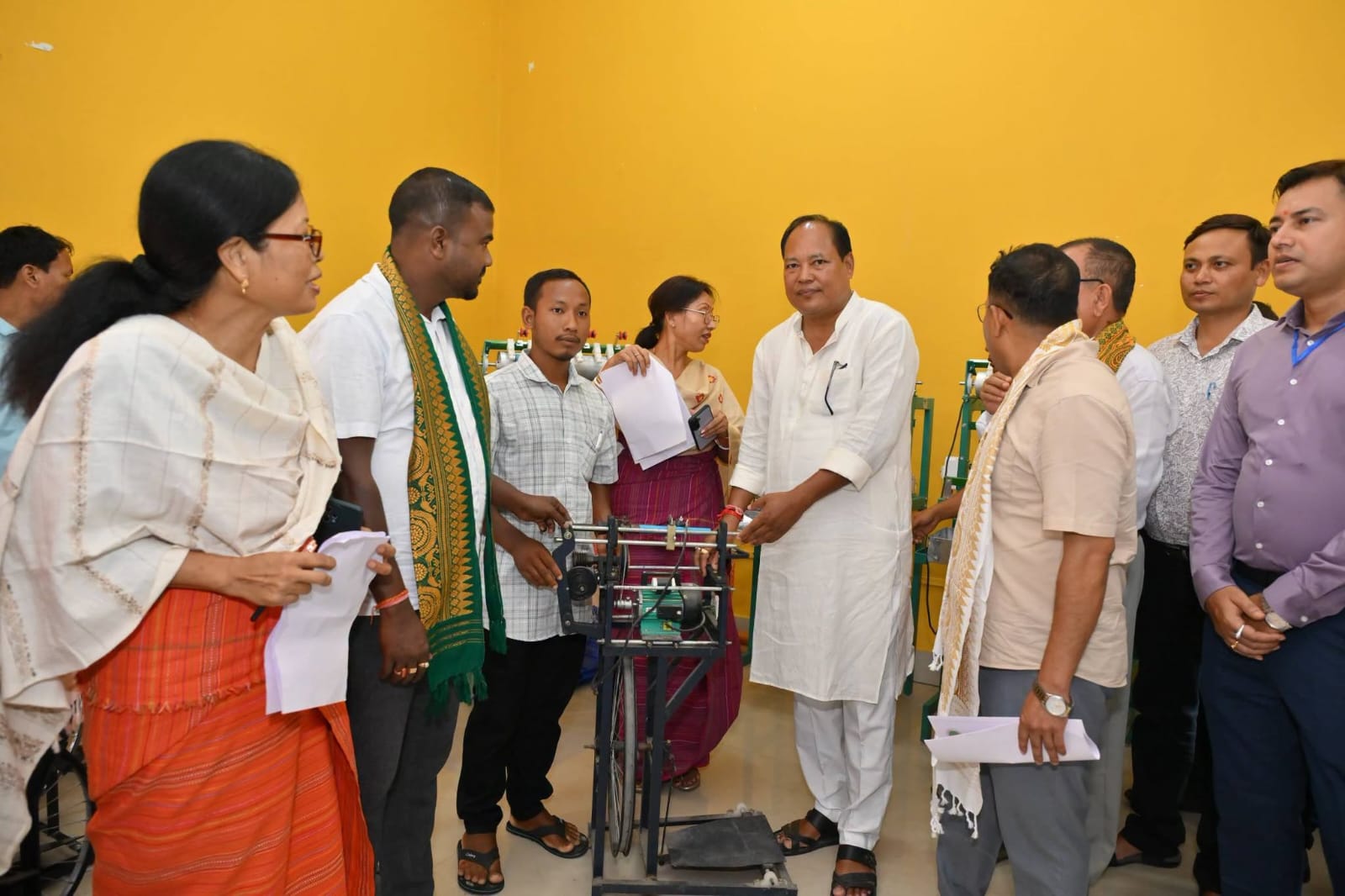
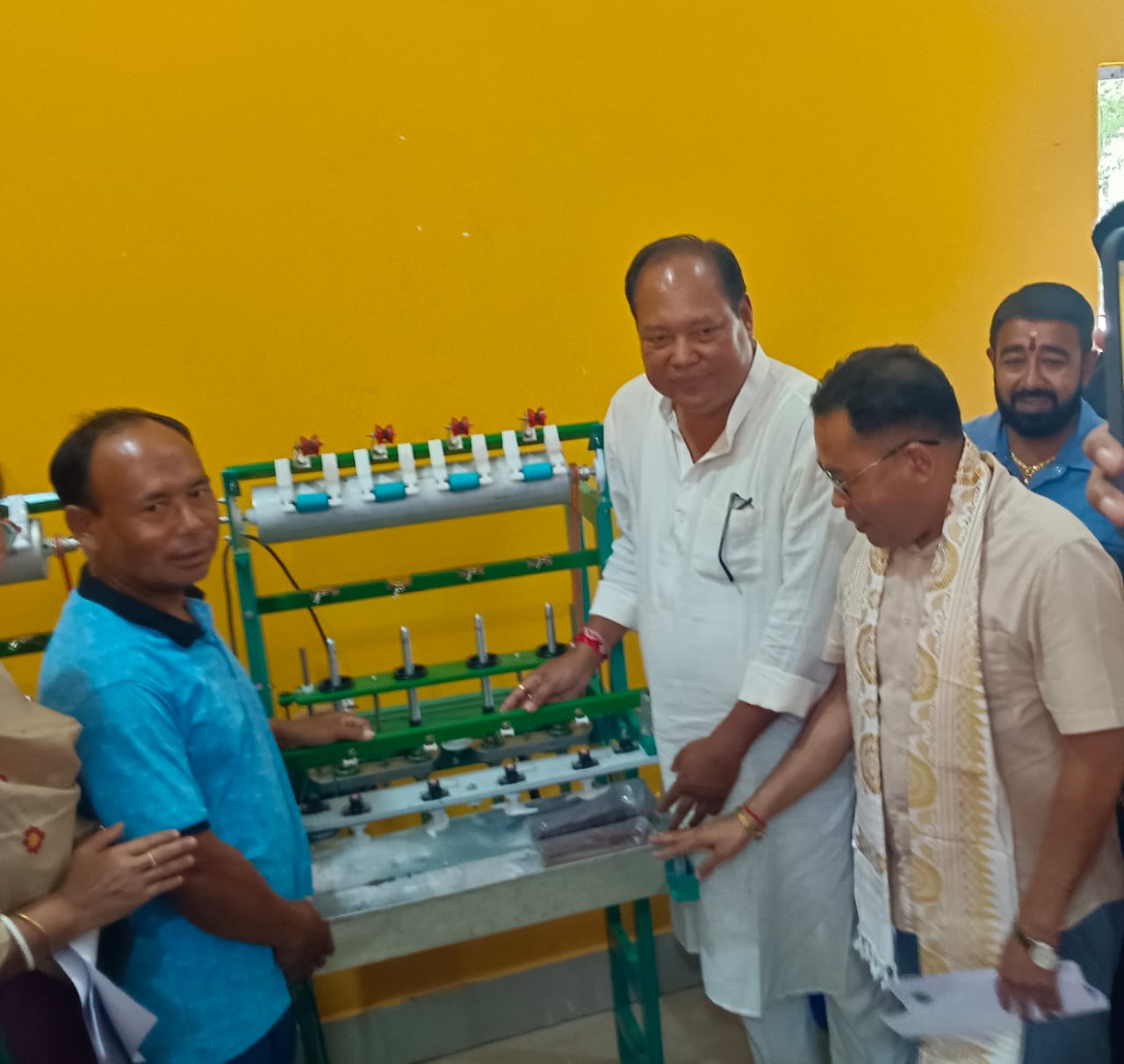
Moreover, 10 nos. Ambar Charka Spinning Units for
group activities to improve the productivity and
quality of hand spun Eri Silk yarn is also
established in Udalguri & Baksa District under
the different Projects of Central Silk Board.
Eri Silkworm pupae are good sources of protein
that are used not only for human consumption but
also for animal feed, traditional medicines,
cosmetics uses etc. To generate high income of
Sericulture farm and expand Sericulture Industry
the department has emphasized on production of
new and high value-added products with
diversification.
Therefore, the Department of Sericulture, BTC has
established Pupae Processing Unit 1st of its kind
to explore the various utilization of silkworm
pupae. Accordingly, the Department has produced
Eri protein powder- Grade-A, B & C, Silk
Biscuits, Coffee, Pickles, Soap, Shampoo,
Facewash etc.
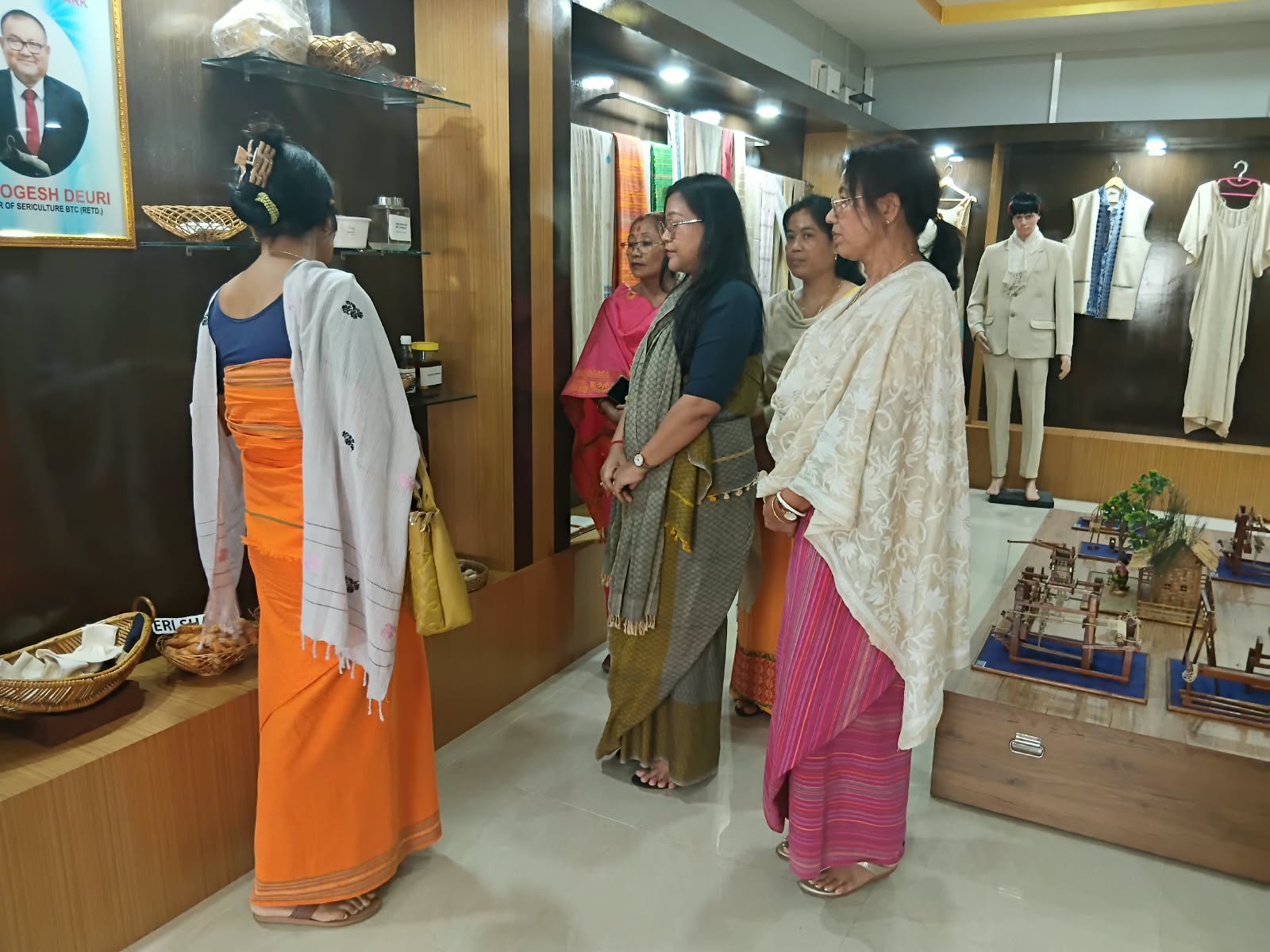
With an aim to educate the public on the subject
of Sericulture history, their legacy and its
impact on the society an Emporium cum Museum has
been set up at Silk Park. It is decorated with a
woven fabric of different ethnic designs.
Various sorts of items are being displayed such
as dokhona, shawls, aronia, share, mekhela etc.
The Emporium cum Museum has also varying aim and
objectives set with legal and ethical standard
ranging from conservation & documentation of
collection, serving research, disseminating
information particularly Sericulture.
Apparel garmenting Industry is one of the
significant contributors to the economy in India.
Therefore, in order to join hand to this hand and
to experiment in this sector the Department of
Sericulture, BTC has established Apparel Garment
Unit.
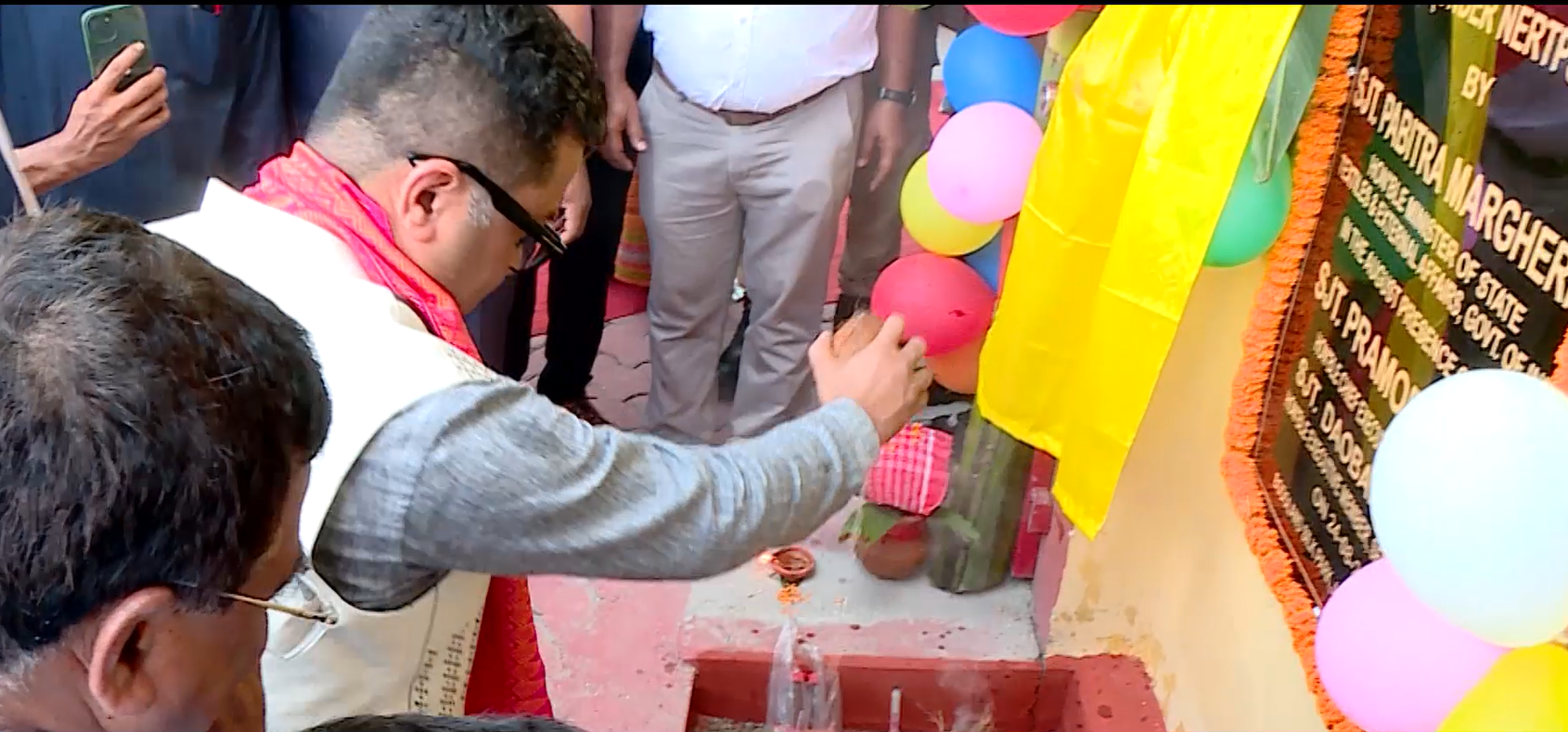
The foundation of the infrastructure was laid down
by Smt. Darshana Jardosh, Minister of State for
Textiles on 23rd Sept, 2021. With a view to
produce highly diversified and wide range of
segments ranging from the products like silk,
cotton, wool etc.
The Bodoland Territorial Council (BTC) is a 46 Member Bodies established according to the Memorandum of Settlement (MoS) of 10th February 2003. The areas under BTC are called Bodoland Territorial Autonomous District (BTAD) and now it is called BTR after MoS of 27th January, 2020.
The BTC enjoys autonomy and control over Departments specified in the MoS. The total geographical area of the Bodoland Territorial Region (BTC) is 9820 Sq. K.M. consists of 5 (five) districts namely Kokrajhar, Chirang, Baksa, Tamulpur and Udalguri. Kokrajhar is the Council Secretariat of BTC.
Out of total 2890 villages, Sericulture is practiced in 1658 villages in Bodoland Territorial Region (BTC).
| # | Sector | Priority |
|---|---|---|
| 1 | Eri | I |
| 2 | Muga | II |
| 3 | Mulberry | III |
Sericulture an agro-based Cottage Industry is being practised in BTC since the time immemorial. Most of the rural people in all the five districts of BTC are engaged largely in Eri Rearing producing Eri cut cocoons and spun yarn there by becoming a source of livelihood.
The Eri-culture is a land based labour intensive activity. It has potential for generation of productive employment on a large scale specially for tribal women which is a means for empowering them economically. BTC is the largest producer of Eri raw silk in North Eastern India next to Assam (excluding BTC). Silkworm rearing and handloom weaving is an age old inseparable traditional practice among the rural populace in BTC ushering towards socio economic upliftment.
The Muga culture though has been thought to have migrated along with the Tai Ahoms in 1228 AD from ‘Punj Kong’ village of Northern Burma belonging to the Shan state of Mungur from where the name Muga may have been derived (Phukan. 1998) but nothing is known of the status of Muga culture there today. Muga culture was patronized in Assam by the Tai Dynasty (Ahom).
The Muga culture as old as 700 years and over the years has become indigenous practice in Assam & North Eastern India. The Muga silk is the costliest silk variety with unique characteristics such as natural golden colour resistant to acid, durability (more than 50 years) and high UV rays absorption and strength, etc.
However, Muga and Mulberry culture was introduced by BTC as a commercial economic venture from 2004 onwards only and came up as one of the incomes generating venture in a systematic way amongst the rural folks due to conducive climatic conditions prevails in BTC.
Silk is a natural fiber and is among the earliest fibres discovered by mankind. It is a continuous protein filament secreted by specific type of caterpillars commonly known as Silkworms.
Silk has several natural properties that makes it distinct from all other fibres, both natural and man-made. It has a natural sheen, an inherent affinity to rich colours, high absorbance and light weight.
Silk is stronger than similar filament of steel and has good thermostatic property that makes it warm in winter and cool in summer, low static current generation, resilience and an excellent drape.
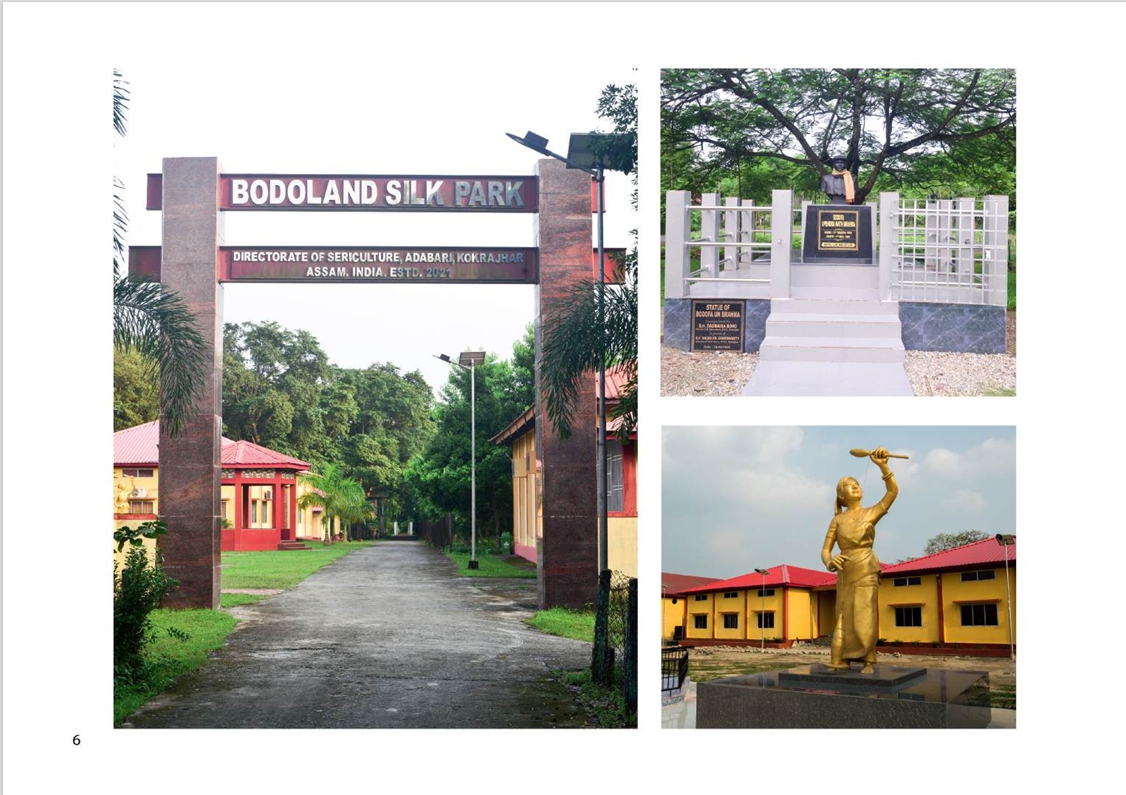
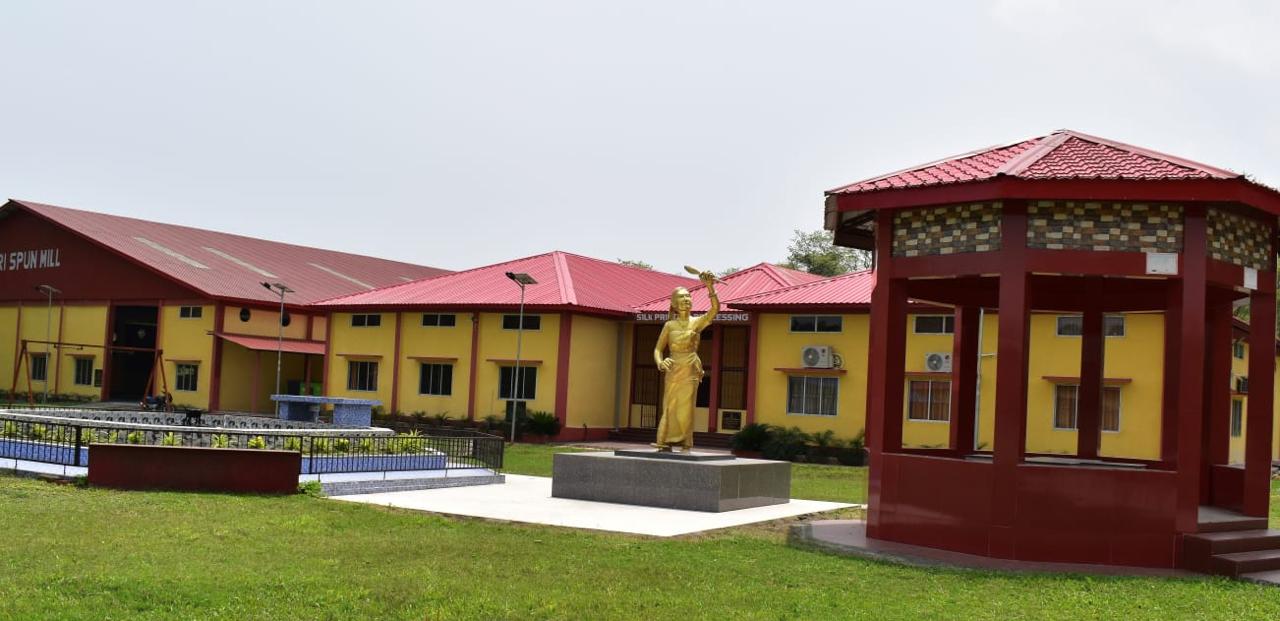
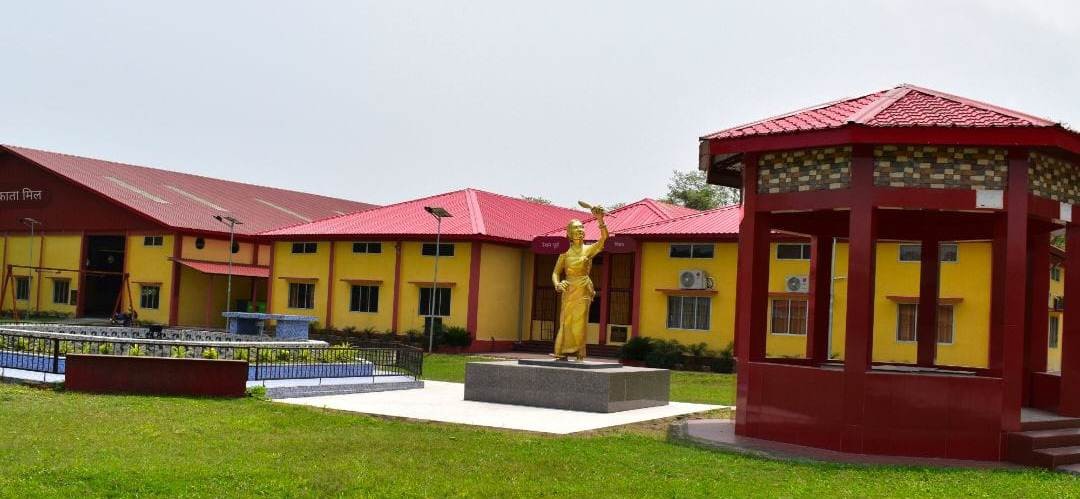
To develop a sustainable and integrated Sericulture and Textiles Park, the Department of Sericulture, BTC with the financial assistance from the Central Silk Board, Ministry of Textiles, Govt. of India through different Projects and SOPD-G schemes of BTC has successfully established “Bodoland Silk Park” at Adabari, Kokrajhar.
The main objective behind the establishment of the Park is to generate employment, promotion of export and tourism and to meet the trending demand of the customers.
The park has a Cocoon Bank, Eri Spun Silk Mill, Silk Printing & Embroidery unit, Weaving Centre, Silk emporium, Apparel & Garmenting unit, Training centre & Pupae processing unit that provide a platform for communication among the different section of farmers such as rearers, reelers, and weavers. An outlet for finish products and recreation has also been proposed under the Project.
Vanya Cocoon Bank established at Udalguri, 2010-11 and further another unit at Adabari, Kokrajhar during the year 2016-17.
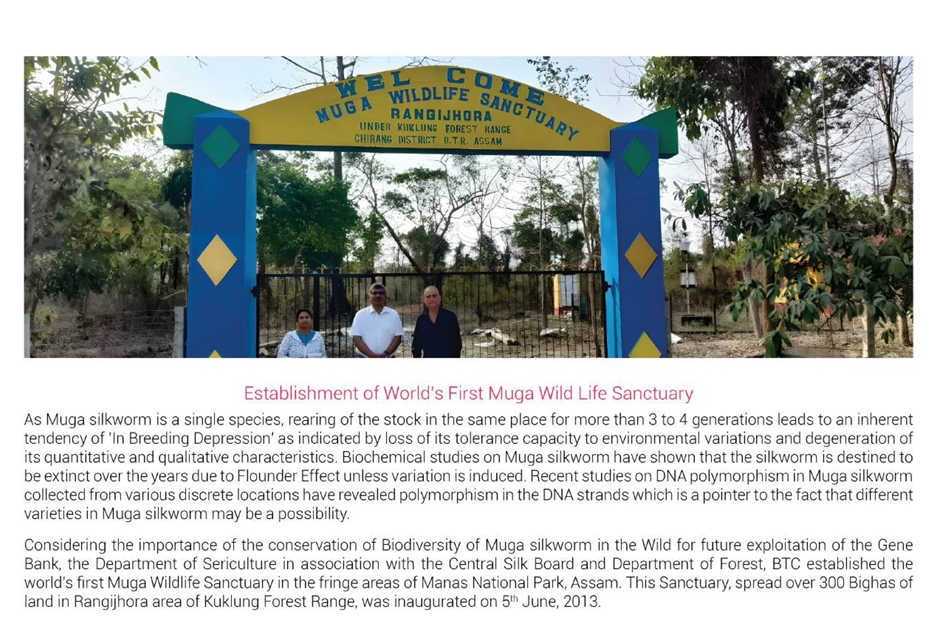
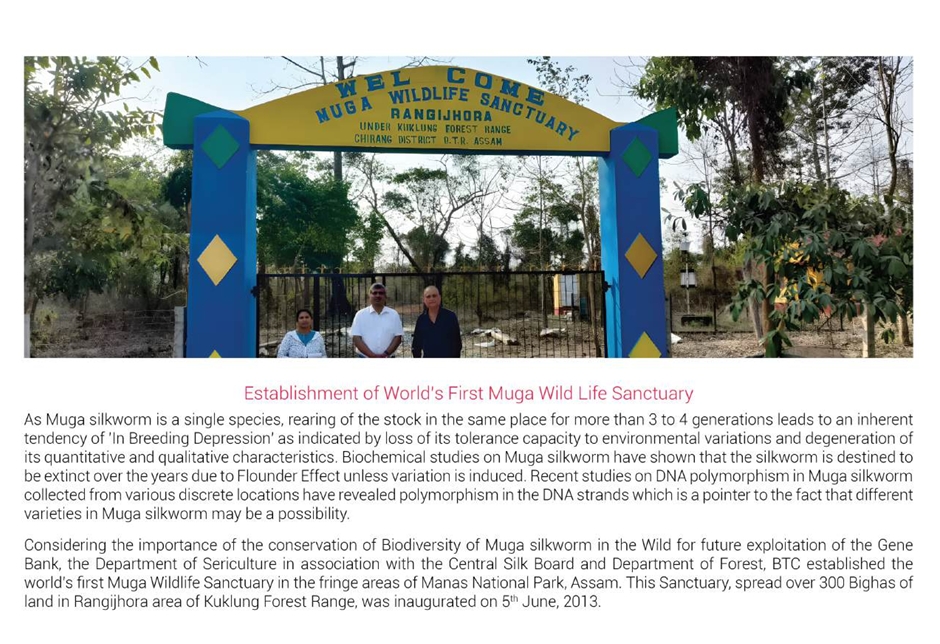
Muga Wildlife Sanctuary (Muga Conservation) established at Rangijhora, Bijni in Chirang District, during the year 2013-14.
Automatic Silk Knitting Unit at Kokrajhar District during the year 2017-18.
Multiend Reeling & Twisting Unit set up at Udalguri during the year 2018-19.
Automatic Digital Silk Printing & Processing Unit at Kokrajhar during the year 2019-20.
Large scale rearing house at beneficiary level in Kokrajhar District under Tapioca Project during the year 2019-20.
10 nos. of Ambar Charkha unit set up under the Projects of Central Silk Board at Udalguri & Baksa District during the year 2019-20.
Bodoland Silk Park set up at Adabari, Kokrajhar during the year 2020-21.
Common Facility Centre for Weavers established at Sapekhaity, Udalguri during the year 2021-22.
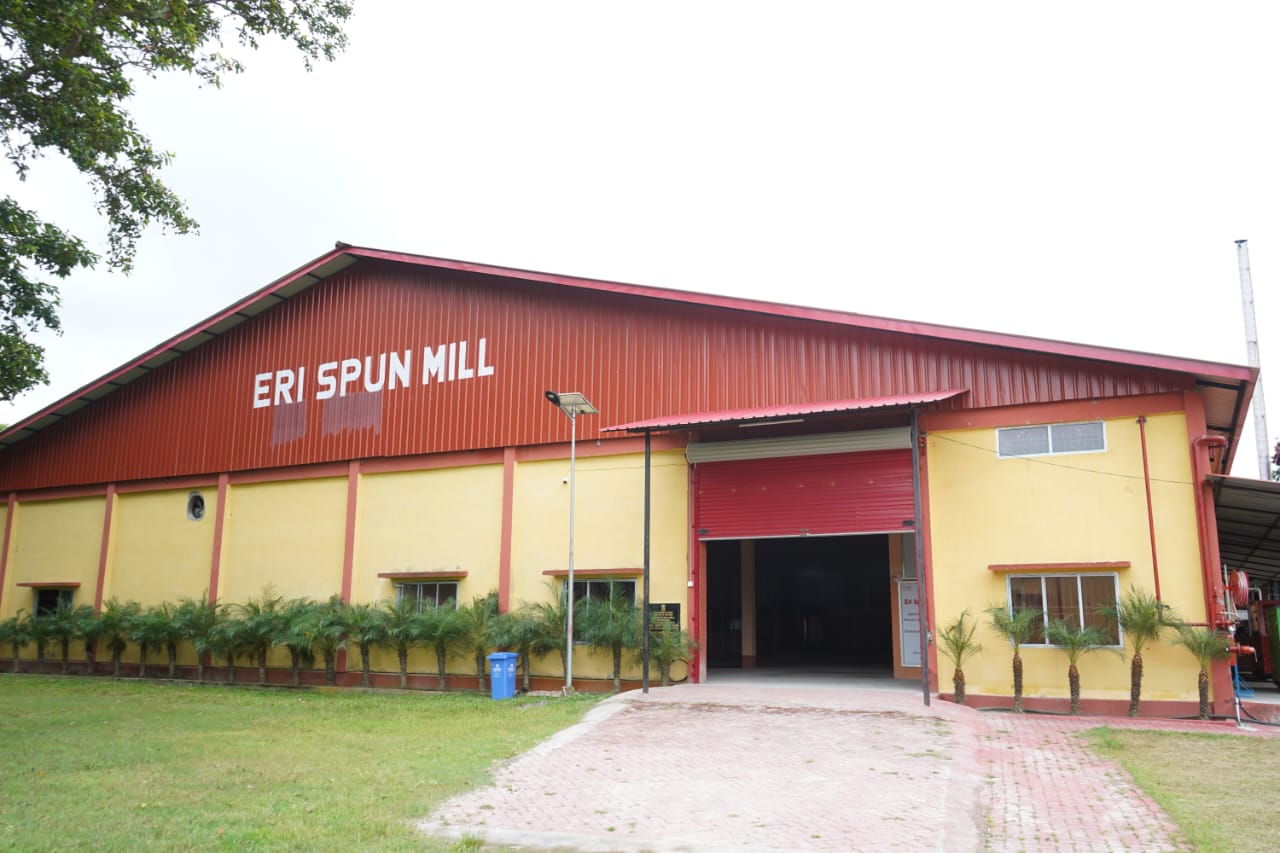
Eri Spun Silk Mill inaugurated at Bodoland Silk Park, Kokrajhar, 2024-25.
Eri Pupae Processing Unit set up at Bodoland Silk Park, Kokrajhar during the year 2025-26.
The Department of Sericulture BTC Officially launched the “Bodoland Silk” logo in 2017 with an objective for brand promotion of Bodoland Silk both in National and International markets. The logo is a promise of quality and purity of the natural Eri Silk. It is registered under Silk Mark Organization of India.
Geographical Indication has been registered under No. 960 in the name of “BODO ERI SILK” on 30th March, 2024 to promote Bodo traditional weavers of BTR and use as an eco-friendly materials for fashion.
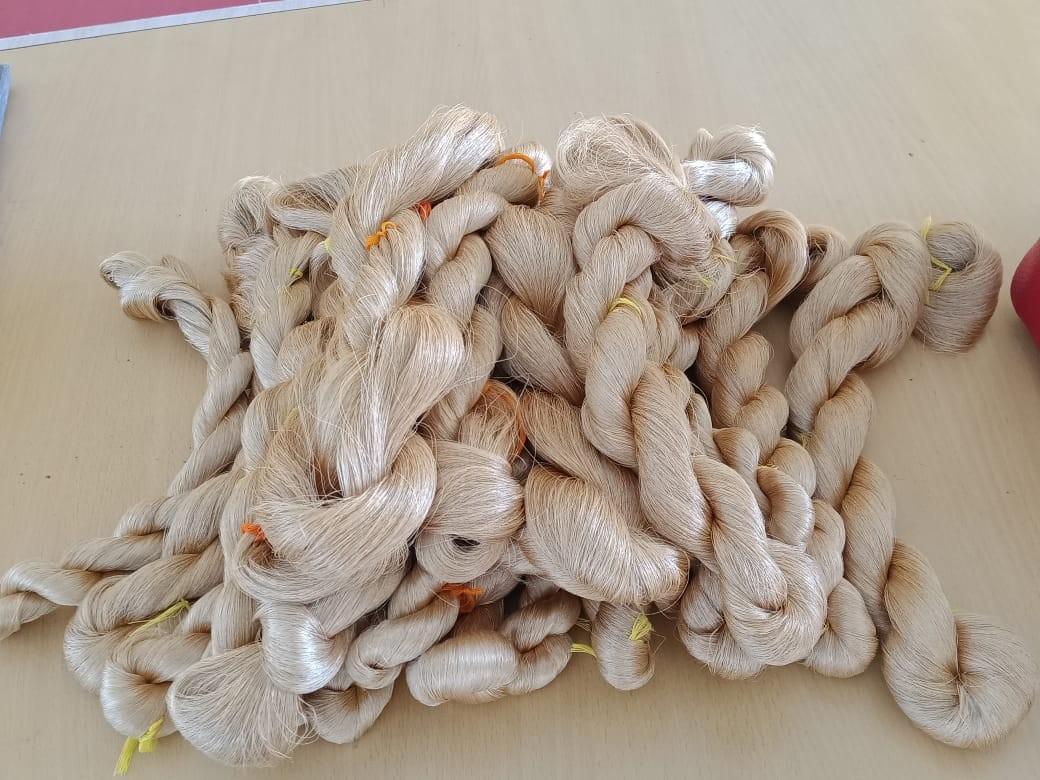
Considering the importance of value addition of Eri products and creation of assured marketing facilities for the Eri growers, BTC has established Eri Spun Silk Mill at Bodoland Silk Park, Adabari Kokrajhar with the support of Central Silk Board and Ministry of Textiles, Govt. of India during the year 2024-25.
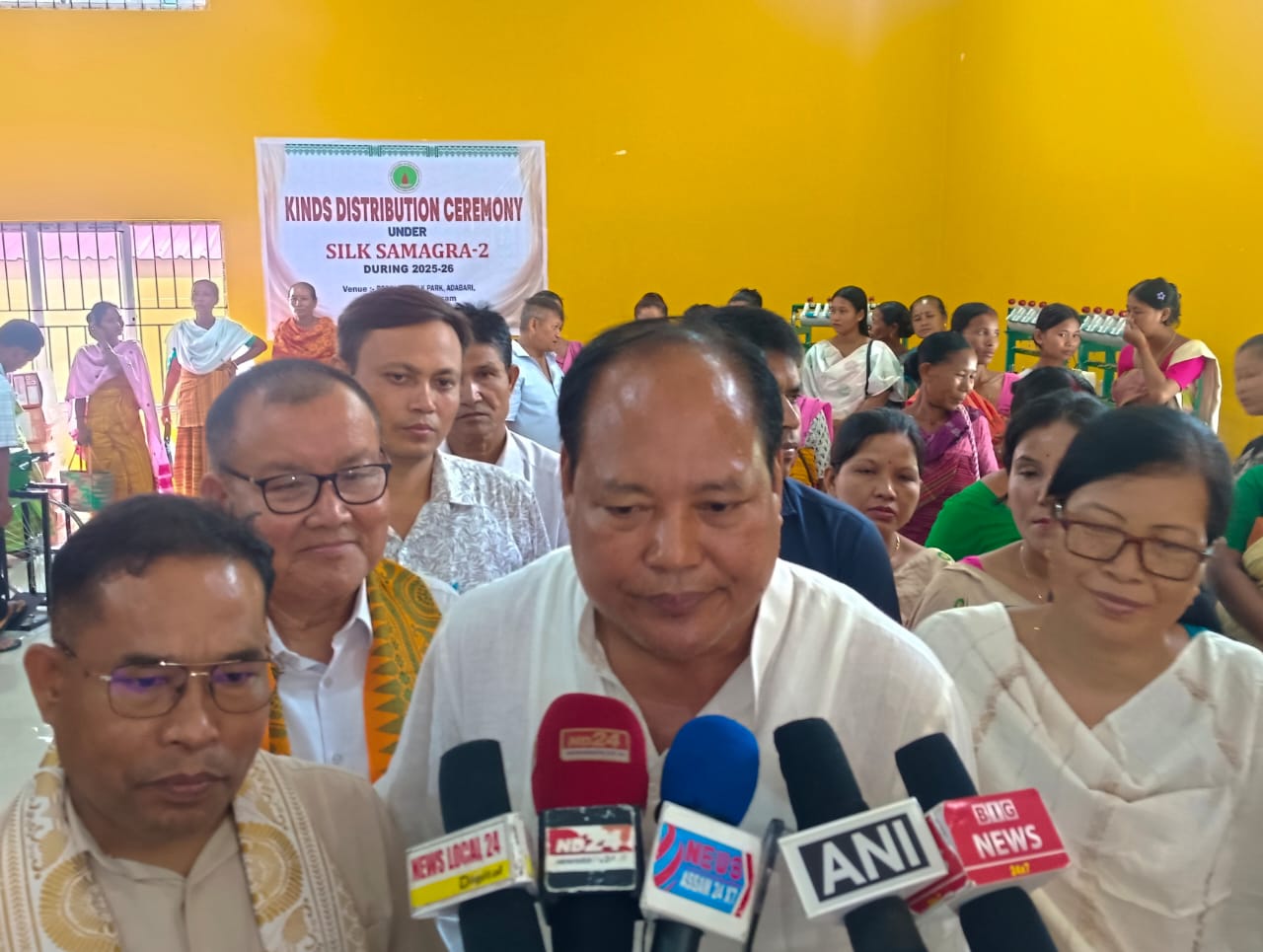
Stay connected with the Directorate of Sericulture, BTC for departmental updates, programmes, activities and important announcements.
Explore field visits, events, silk activities, farmer programmes and visual updates from across BTC.
Watch departmental programmes, awareness videos, sericulture initiatives and important visual updates.